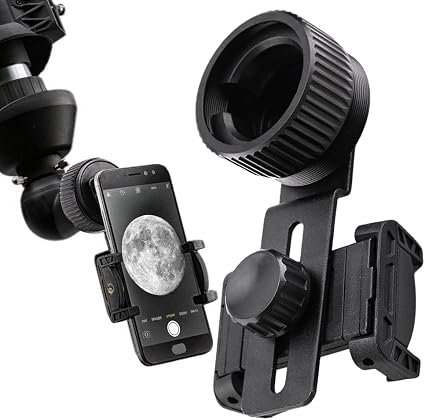
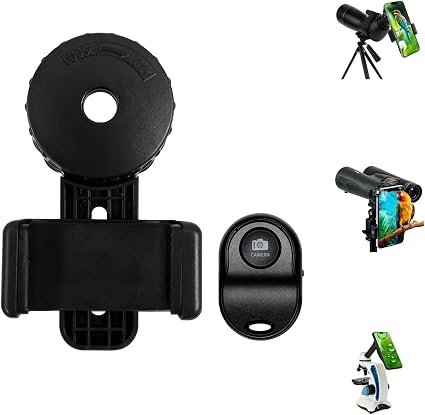
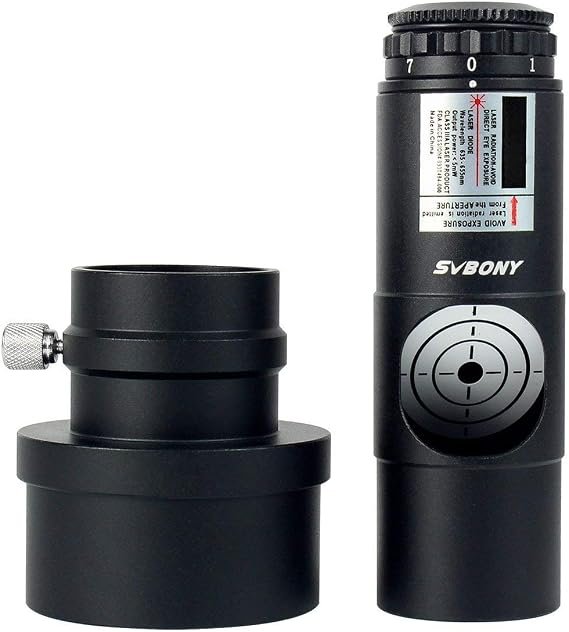
The bundled finder scope or red-dot sight on entry-level telescopes is frequently the most frustrating part of the setup. A quality red-dot or 1x reflex sight, aligned in daylight before your first night, fixes this almost entirely.
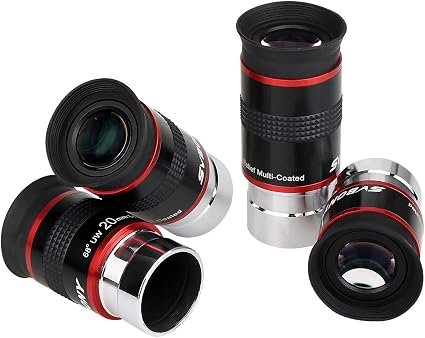
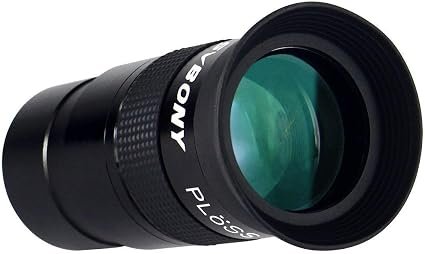
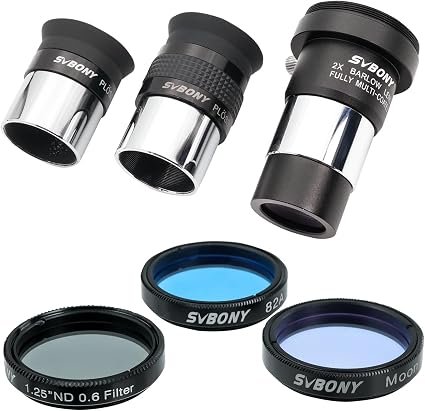
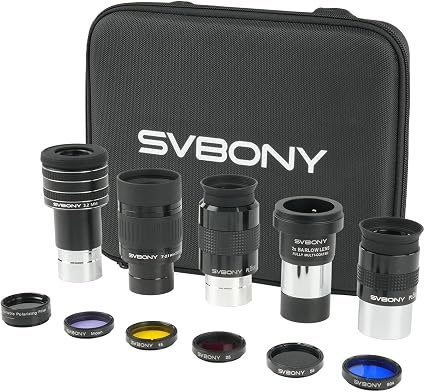
Most telescopes ship with only one or two. A wide low-power eyepiece makes finding targets easier; a good mid-power eyepiece (100–150x) is where the Moon and planets tend to look best.
Any white light, including a phone screen, destroys 20–30 minutes of dark adaptation. A dim red flashlight lets you read charts without resetting your night vision.
Motorized focusers, elaborate carrying cases, and premium eyepiece lines are things experienced observers eventually add, but none meaningfully change what a beginner sees in their first year. If you’re deciding between an accessory upgrade and saving toward a better mount, the mount almost always wins — see our guide to choosing a telescope mount.
A properly aligned red-dot finder. It solves the most common source of first-week frustration — not being able to locate anything — for very little money.
Broadband filters help somewhat for certain nebulae under city skies, but they’re not a substitute for a darker site and can dim overall brightness. Treat as a situational upgrade, not a first purchase.