Light pollution is the single biggest factor in what you can actually see, more than any piece of equipment. City centers wash out all but the brightest stars and planets; a site even 30–45 minutes outside a major city is often dramatically darker. Free light-pollution maps use the Bortle scale, from Class 1 (pristine, remote) to Class 9 (inner-city core):
Aim for Class 4 or darker for a meaningfully better session than a well-lit suburban backyard.
Timing Matters More Than People Think
The Moon is the most underrated light-polluter of all: a bright gibbous or full Moon washes out faint deep-sky objects almost as badly as city lights do. If your target is a faint nebula or galaxy, plan around the new-moon window. NASA publishes a monthly skywatching guide covering what’s visible and when.
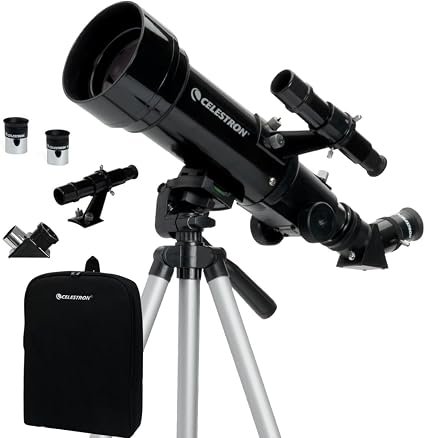
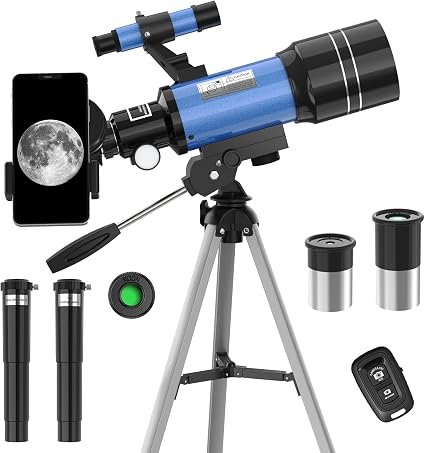
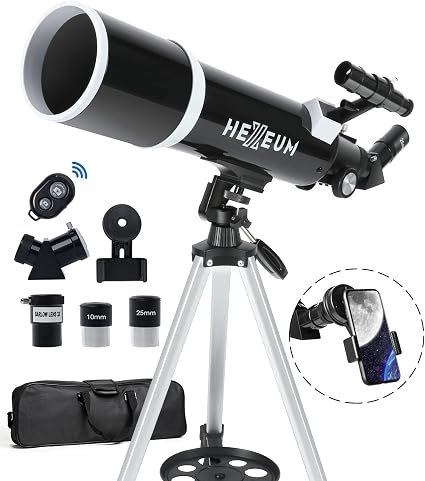
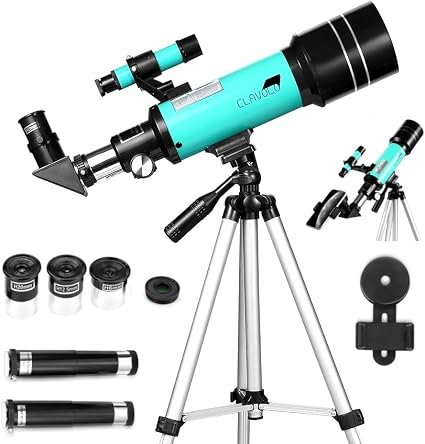
Before buying a telescope, most people get more consistent enjoyment from a decent pair of binoculars, a red flashlight (preserves night vision, unlike white light), a star chart or planetarium app, and warm layers. If and when you’re ready for a telescope, our telescopes hub walks through how to choose one, and our accessories guide covers the small extras that help most.
Yes — full dark adaptation takes 20–30 minutes, and any bright white light (including a phone screen) resets it instantly. A dim red flashlight avoids this.